

What’s Actually Worth Updating Before You Sell Your Home?
Not every home needs a renovation before it goes to market.
In fact, one of the easiest ways to overspend before selling is to assume every dated finish needs to be replaced. The better approach is to focus on the updates that will meaningfully improve how buyers experience the home — while preserving the features that give it character.
Before making any major changes, consider how your home compares to the current competition, what condition buyers will expect at your price point, and where your money is most likely to make an impact.
Here are five areas worth evaluating before you sell.
Refresh the paint where it matters
A fresh coat of paint is still one of the simplest ways to make a home feel clean and well cared for, but that doesn’t mean every room needs to be repainted.
Start with areas that show the most wear: entryways, hallways, kitchens, bathrooms and other high-traffic spaces. Bold or highly personalized colors may also be worth reconsidering if they distract from the home itself.
Rather than defaulting to cool gray or stark white, look for colors that feel warm, cohesive and appropriate to the architecture of the home.
The goal isn’t to remove every ounce of personality. It’s to create a backdrop that allows buyers to focus on the space.
Update the kitchen strategically
Kitchens matter to buyers, but a full renovation before selling is not always the best use of your budget.
If the layout and cabinetry are fundamentally good, smaller improvements can often make a meaningful difference. Consider updated hardware, lighting, fresh paint, new countertops or backsplash, or repairing finishes that have started to show their age.
And before painting existing cabinetry, take a closer look at what you already have. Quality wood cabinets or other original details may be worth preserving rather than covering simply because a particular finish is trending.
The question isn’t necessarily, How do we make this kitchen look brand new?
It’s: What would make this kitchen feel more intentional, current and most importantly, well maintained?
Give the bathrooms a reset
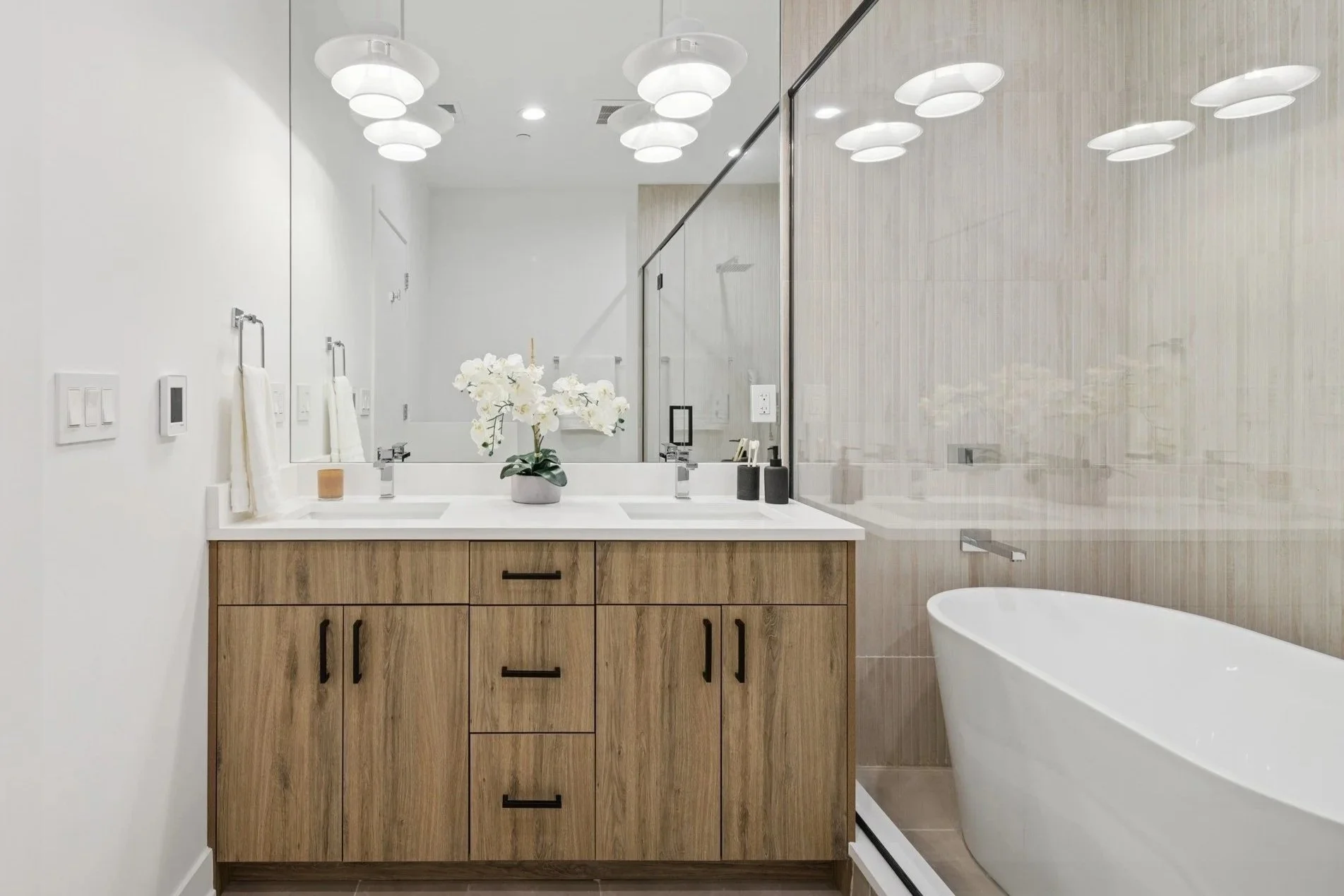
Bathrooms are another place where relatively small updates can noticeably improve the way a home shows.
Start with the basics: fresh caulk and grout, clean fixtures, updated lighting, mirrors, hardware and paint. A dated vanity or countertop may also be worth replacing when the rest of the bathroom is in good condition.
Most importantly, address anything that makes the space feel neglected.
Buyers can usually distinguish between a bathroom that is simply older and one that hasn’t been maintained. The first may be perfectly acceptable. The second can quickly become an objection.
Pay attention to the floors
Floors influence how buyers perceive almost every room in the home.
If you already have hardwood, refinishing it can be one of the most effective ways to refresh a property without changing its character. Scratches, discoloration and worn finishes can make an otherwise well-kept home feel more tired than it actually is.
Carpeting should also be evaluated for condition, cleanliness and how it compares with buyer expectations in your market.
When replacement is necessary, the right material depends on the property. There isn’t one flooring choice that makes sense for every home or every price point.
Whenever possible, we prefer to preserve good existing materials rather than replace them simply for the sake of making something feel “new.”
Make the first impression count
For single-family homes and properties with private exterior space, curb appeal still matters.
That doesn’t necessarily require a major landscaping project. Start by making sure the exterior feels cared for.
Trim overgrown landscaping, clean walkways, touch up paint, replace tired exterior lighting, repair visible damage and make sure the front entrance feels considered.
Small details like house numbers, planters, door hardware and exterior lighting can also change the way a property photographs and feels when a buyer first arrives.
For condos and townhomes, the same principle applies to the areas you can control: the entry, balcony, terrace or even the way the home presents immediately inside the front door.
Before you renovate, ask your Broker
The most important step actually happens before any of the updates above.
Talk to your broker before you start spending money.
Depending on the property, neighborhood, price point and current competition, the right recommendation may be to renovate, lightly refresh, repair deferred maintenance or leave something completely alone.
A good pre-market strategy isn't about making your home look like every other listing.
It's about understanding what buyers are likely to value, what could become an objection and which improvements are actually worth making before you sell.
At Sage Haus, we help sellers evaluate those decisions before the home reaches the market so the preparation feels intentional — not excessive.
Thinking about selling? Start the conversation early. We can help you determine what to preserve, what to polish and what’s actually worth updating before you list. Email us at sagehaus@atproperties.com




A week-by-week guide to preparing your home for market without trying to tackle everything at once.