

Five Weeks to List: A Thoughtful Spring Selling Plan
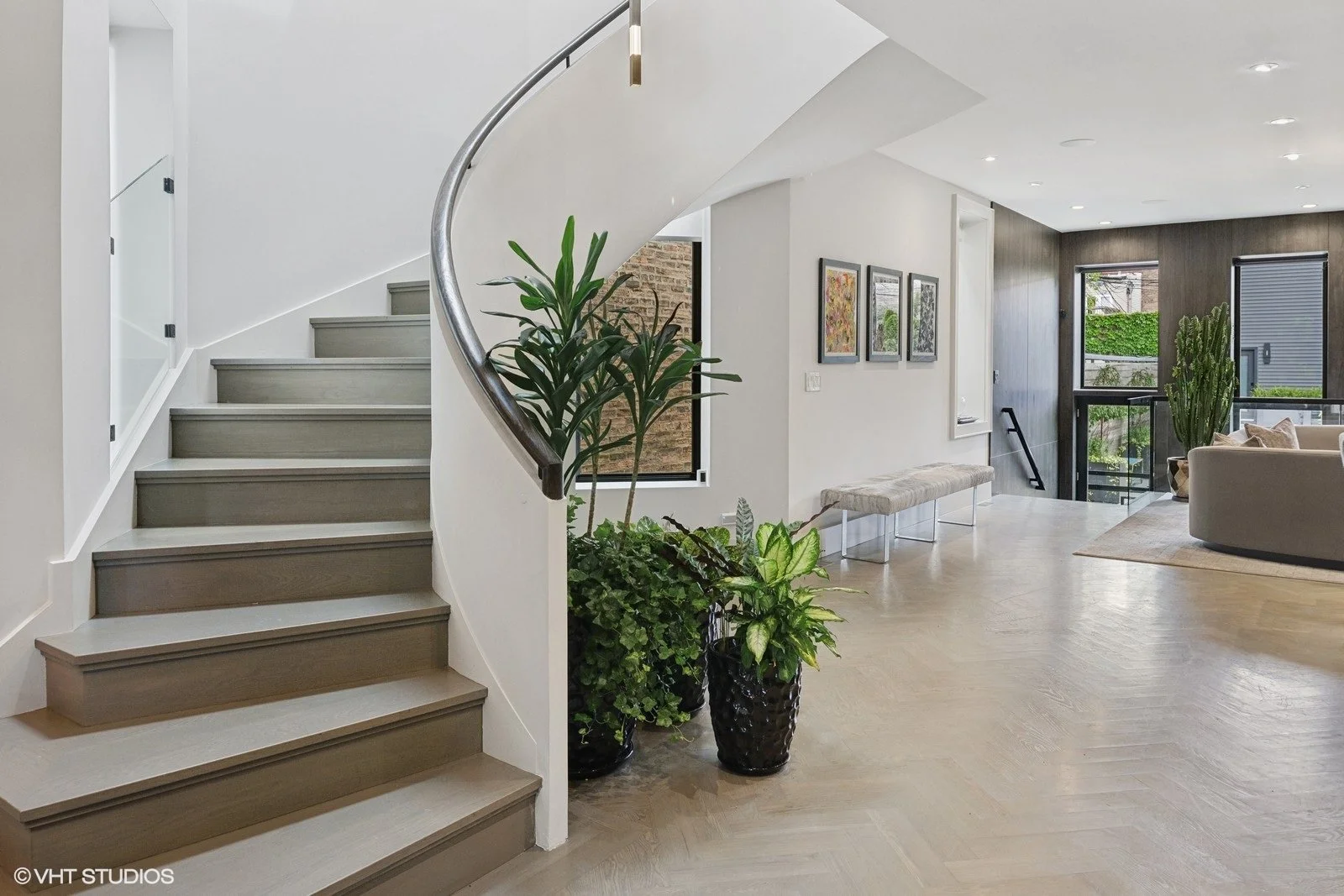
A week-by-week guide to preparing your home for market without trying to tackle everything at once.
Preparing a home for sale can feel like one enormous project. But with enough time & a thoughtful plan, the process becomes much more manageable.
If you are hoping to list during the spring market, begin preparing approximately five weeks before your ideal launch date. That gives you enough time to evaluate the property, make strategic improvements and bring everything together without rushing through the details.
Every home requires a slightly different plan, but this week-by-week guide is a useful place to begin.
Week One: Establish the Strategy
Meet with a real estate Broker.
Before painting, repairing or replacing anything, speak with a Broker who understands your property and its likely buyer. The goal is to determine what will meaningfully improve the home’s presentation or value and what may not be worth the time or expense.
Your Broker should help you evaluate pricing, timing, preparation, marketing and any potential obstacles before the property reaches the market.
Assess the home’s condition.
Walk through the property with a critical eye. Look beyond cosmetic updates and consider the systems and components a buyer or inspector is likely to examine, including the roof, windows, plumbing, electrical systems, HVAC equipment and visible signs of water intrusion.
You do not necessarily need to repair everything before listing. You do, however, want to understand the home’s condition so you can make informed decisions and avoid preventable surprises later.
SAGE ADVICE: What’s worth updating before you sell your home?Create a preparation plan.
Separate potential projects into three categories:
Necessary repairs
Presentation improvements
Optional updates
Your Broker can help prioritize the work based on your budget, timeline and likely return.
Week Two: Edit What You Own
Declutter room by room.
Preparing for market is not about removing every sign of life. It is about creating enough visual space for buyers to understand each room & imagine how they might use it.
Sort belongings into four categories: keep, donate, discard and store. Pay particular attention to countertops, open shelving, entryways and rooms where excess furniture interrupts the natural flow.
Organize storage spaces.
Buyers will look inside closets, cabinets and pantries. These areas do not need to be empty, but they should feel functional and appropriately sized.
Editing their contents can make storage feel more generous while giving you a head start on packing.
Begin the deep clean.
Once the excess has been removed, clean the areas that are easy to overlook: windows, baseboards, doors, grout, appliances, light fixtures and the interiors of cabinets and closets.
A meticulously maintained home signals that the property itself has also been cared for.
Week Three: Refine the Presentation
Complete small repairs.
Tighten loose cabinet hardware, replace burned-out lightbulbs, repair dripping faucets and address visible wall damage. Individually, these details may seem minor. Together, they shape a buyer’s impression of how the home has been maintained.
Reconsider paint strategically.
Not every room needs to be painted and not every home needs to become beige.
Prioritize walls that are damaged, heavily marked or painted in colors that distract from the architecture. The right palette should make the home feel cohesive, complement its natural light and allow its strongest features to stand out.
Evaluate the exterior and entry.
For a single-family home, this may include landscaping, exterior lighting, the front door, house numbers and seasonal planters. In a condominium, focus on the unit’s entrance and the transition into the home.
The objective is simple: make the arrival feel considered.
Develop the styling plan.
Some homes benefit from full staging. Others need only furniture edits, a revised layout or a few well-placed additions.
The goal is not to make the home look generic. It is to clarify how the space lives while preserving the character that makes it memorable.
Week Four: Prepare for the Launch
Finalize the rooms.
Complete repairs, painting, cleaning and staging before photography. Remove anything that will not remain during showings so the online presentation accurately reflects what buyers will experience in person.
Gather important property information.
Begin assembling documentation that may be helpful during the sale, including:
Recent improvements and approximate completion dates
Appliance, mechanical and systems information
Utility costs
Warranties and service records
Association documents, when applicable
Permits or plans for significant renovations
Having these materials organized early can make the listing & transaction process more seamless.
Create the visual story.
Before your home comes to market, we develop a visual direction that reflects its architecture, atmosphere and strongest details. Professional photography is only one part of that story. Depending on the property, the campaign may also include video, floor plans, aerial imagery and editorial-style moments that help buyers understand not only how the home looks, but how it feels to live there.
Week Five: Set the Stage
Complete the final cleaning.
Give particular attention to kitchens, bathrooms, floors, countertops, glass and mirrors. The home should feel fresh, but avoid heavily scented candles or artificial fragrances that may overwhelm buyers.
Remove personal and valuable items.
Store medications, financial documents, jewelry, personal photographs and irreplaceable objects in a secure location. This protects your belongings while allowing buyers to focus on the home itself.
Add a restrained finishing layer.
Fresh branches, flowers, a bowl of fruit or a neatly arranged stack of books can give the home warmth and life. A few intentional details will have more impact than an abundance of decorative accessories.
Prepare for showings.
Decide where everyday items will go when buyers visit, including pet supplies, countertop appliances, toiletries, mail and laundry. Creating a simple routine in advance will make it much easier to keep the home ready.
The Right Preparation Is Specific to the Home
A successful launch is not about completing the longest possible list of improvements. It is about understanding which changes will help buyers recognize the home’s value and completing those changes well.
At Sage Haus, we begin with the property, the market and the seller’s priorities, then develop a preparation and marketing plan around all three.
Thinking about selling this spring? The best time to begin is now, before it feels urgent.
Connect with Sage Haus to schedule an initial consultation, or email us at sagehaus@atproperties.com. We’ll help you determine what to do, what to skip and when to begin.
You’re in the right place to make your next best move.

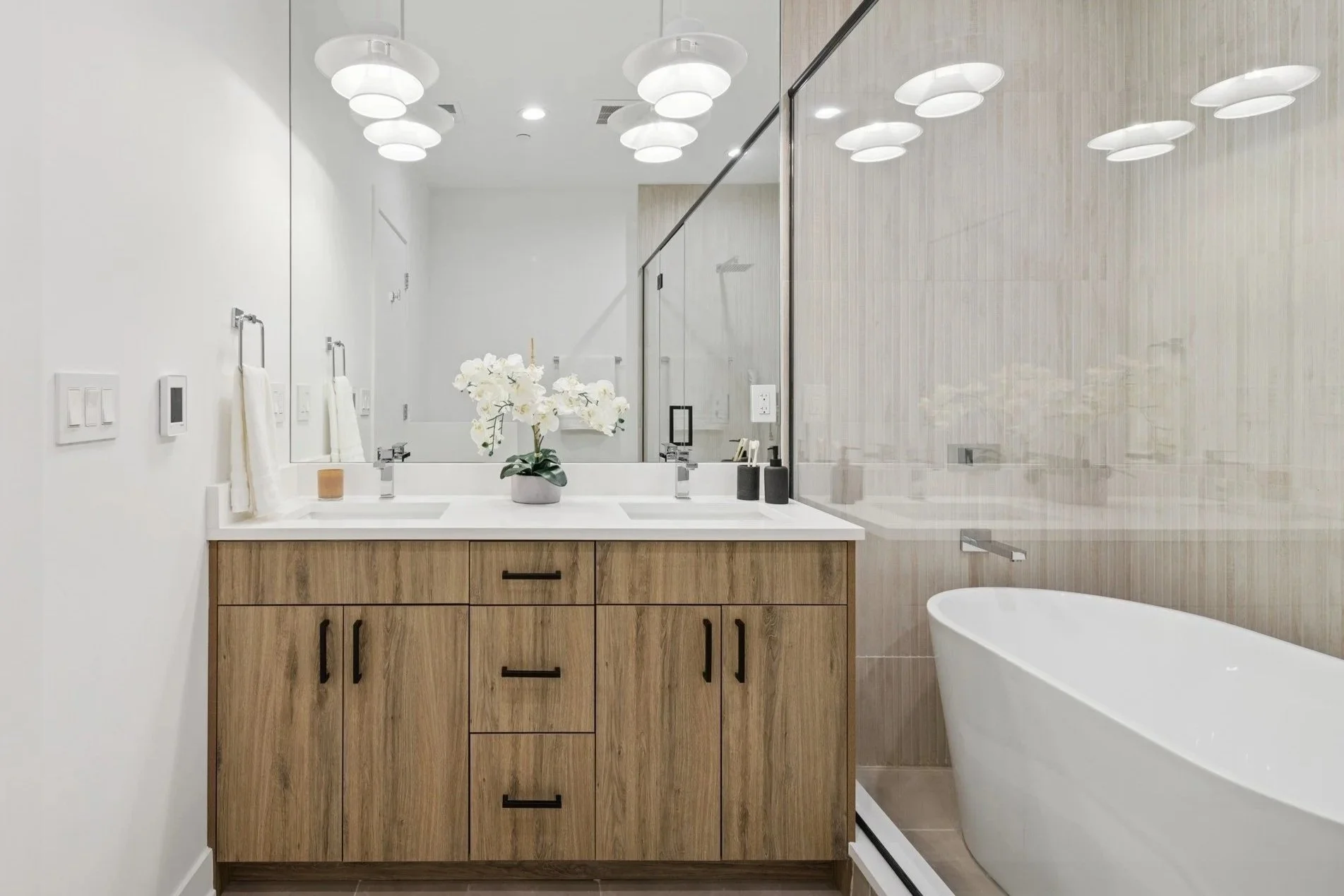




A week-by-week guide to preparing your home for market without trying to tackle everything at once.